Biohazard Cleanup
Blood, sewage, sharps and other biohazards removed and disinfected by cleanup crews in protective gear.
Learn more →New York · Suffolk County
Cleaning up after a loss should not fall on the family in Southampton. Get biohazard cleaners for crime scene, death and trauma cleanup, plus sewage, hoarding and infectious disease work. Call (877) 812-4220 any hour.
If anyone is in danger, call 911 first. For a suicide crisis, call or text 988.
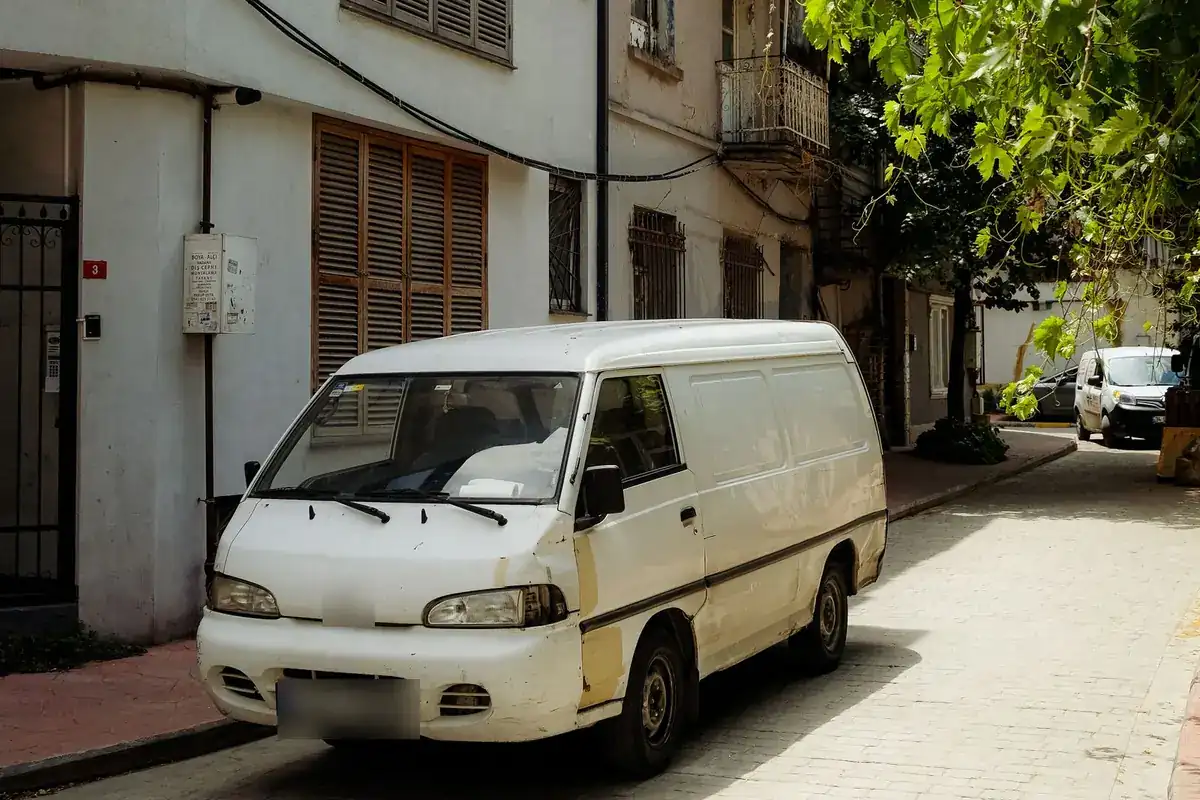
In plain terms, biohazard cleanup is decontamination after something harmful to health has been left behind. If you need cleanup in Southampton, NY after a death, violent event, accident, spill or unsafe living conditions, call Southampton Biohazard Cleanup Help and get a biohazard cleanup team ready for the job.
Families are never asked to see or touch anything. The affected area gets cleaned from start to finish, then the result is checked before the property is handed back. This work is available around the clock in Southampton, NY and across Suffolk County.
Fewer older adults in Southampton live alone than the New York average, at 22%. Even so, unattended deaths happen in every community, and the cleanup steps are the same. Only about 43% of homes in Southampton were built before 1980, so most cleanups involve newer drywall and flooring, though fluids can still soak through to the subfloor.
Decontamination starts with protecting people. Crews suit up in PPE, set up barriers so contaminants cannot drift into clean rooms, and work to OSHA bloodborne pathogen protocols (29 CFR 1910.1030) from the first step to the last.
Odor is treated at its source, not covered up. HEPA filtration, hydroxyl generators and ozone treatment work on the air and on the surfaces, and ATP testing can show whether the cleaned area meets the standard before the property is released.
Property owners and managers in Southampton can call Southampton Biohazard Cleanup Help about any of the biohazard services listed here, and the cleanup team will say which one fits the situation.
Blood, sewage, sharps and other biohazards removed and disinfected by cleanup crews in protective gear.
Learn more →Crime scene cleaners handle contaminated carpet, drywall and debris, then check the work before handing the space back.
Learn more →Contaminated carpet, drywall and debris removed, with every affected surface disinfected and inspected.
Learn more →After death cleaning for families, landlords and estates, handled quietly and with care.
Learn more →Respectful biohazard cleanup that removes affected materials and treats odor so families do not have to.
Learn more →Respectful homicide cleaning that removes blood, bodily fluids and odor after investigators release the scene.
Learn more →Blood spill clean up for homes, rentals and workplaces, with soaked materials removed and surfaces sanitized.
Learn more →Commercial feces cleanup and body fluid cleaning for restrooms, shops, schools and care sites.
Learn more →Human feces and urine cleanup in homes, rentals and workplaces, with disinfection and odor treatment.
Learn more →Finds the source of a death odor and removes it, instead of masking it with sprays.
Learn more →Hauling, disinfecting and odor removal for crowded homes, without judgment or pressure.
Learn more →Hoarding cleanouts for estates, sales and rentals, done carefully and without judgment.
Learn more →Animal hoarding cleanup with protective gear, soaked flooring removal and thorough sanitizing.
Learn more →Hoarding and filth cleaning that restores a home for living, repairs or a new tenant.
Learn more →Sewage restoration that clears contamination and odor so repairs can safely begin.
Learn more →COVID-19 cleanup and coronavirus disinfection of high-touch surfaces, bedrooms, bathrooms and shared rooms.
Learn more →Detailed decontamination after blood, sewage, animal waste or infectious illness, using EPA-registered disinfectants.
Learn more →Medical waste removal: sharps, soaked dressings and clinical waste packed, sealed and hauled away.
Learn more →Found a needle? A cleanup team searches the area, removes every sharp and disinfects what it touched.
Learn more →Safe removal of sharps and drug use items, with disinfection and odor treatment afterward.
Learn more →Meth lab cleanup: residue testing, removal of contaminated materials and decontamination of the property.
Learn more →Fentanyl residue removal with protective gear, soft material removal and proper disposal.
Learn more →Chemical spill cleanup with containment, decontamination and records for insurers, buyers and inspectors.
Learn more →Hazardous materials contained, removed and hauled away after spills, leaks and accidents.
Learn more →Irritant residue removed from walls, floors, fabrics and vents after tear gas or pepper spray is released.
Learn more →Safe wet-clean removal of mouse and rat droppings, nests and soiled insulation from attics and crawl spaces.
Learn more →Containment, wet removal and disinfection of bat and bird guano in attics, barns and rooftops.
Learn more →Gentle, private cleanup after a pet or wild animal has died at your home or business.
Learn more →Hazmat car cleaning with protective gear, EPA-registered disinfectants and sealed disposal of contaminated parts.
Learn more →Accident scene cleanup for homes, stores, offices and vehicles, handled quietly with protective gear.
Learn more →Commercial cleaning crews disinfect offices, shops, plants and rentals after injuries, deaths and backups.
Learn more →Careful clearing of a home after a death, with biohazard cleanup first when it is needed.
Learn more →The cleanup team measures how far fluids, waste or residue spread and decides which materials can be saved. This sets the timeline and the cost range.
Affected rooms are isolated so contamination and odor stay put. Technicians suit up and bring in the equipment the job needs.
Contaminated porous materials such as carpet, padding, drywall and mattresses are removed. Hard surfaces are deep cleaned and disinfected with hospital-grade products for the full contact time.
Odor and surface checks confirm the result, then biohazard waste is removed from the property under medical waste rules.
Death odor and sewage smell are treated with air scrubbers and hydroxyl or ozone equipment, not masked with sprays that fade.
Hoarded homes, neglected rentals and difficult situations are treated with dignity. The only goal is a safe, clean space again.
Contaminated items are sealed, labeled and kept out of household trash, and the waste leaves under medical waste rules.
A cleanup specialist explains the steps, the likely cost range and what the property owner needs to do next, in everyday words.
Biohazard cleanup in Southampton, NY typically costs $500 to $25,000, depending on the type of biohazard, the size of the affected area and how far fluids soaked into porous materials.
Most residential jobs cost $3,000 to $5,000 (Fixr). Ask what is included before agreeing to anything: removal, disinfection, odor control, waste disposal and paperwork. A clear scope helps the family, the landlord and the insurance company agree on the cost.
| Type of job | Typical range |
|---|---|
| Blood spill cleanup, small area | $500 - $2,500 |
| Crime scene cleanup, most homes | $1,500 - $7,500 |
| Unattended death cleanup | $2,000 - $7,000 |
| Suicide cleanup | $1,500 - $5,500 |
| Sewage cleanup, most homes | $2,000 - $10,000 |
| Hoarding cleanup, level 3 home | $2,000 - $5,000 |
| Meth lab cleanup, typical | $15,000 - $20,000 |
Estimates only, not a quote. Sources: Fixr, Yelp Costs, BioCleaners Directory, PushLeads, Dropcurb, Bob Vila and cleanup company cost guides. Call (877) 812-4220 to talk through the job.
Cars, trucks and work vehicles can carry biohazards after an accident, assault or medical event. Vehicle cleanup removes contaminated upholstery and disinfects every surface and vent.
An average July high of 81 degrees in Southampton speeds up decomposition after a death. The sooner the scene is released and cleaned, the less the odor and fluids spread.
With renters in about 18% of homes in Suffolk County, landlords and property managers often call about tenant deaths, abandoned units and unsafe conditions that need biohazard cleaning.
When a death goes unnoticed for days, decomposition fluids reach flooring and subfloor and the odor spreads. Death cleanup removes the affected materials and treats the odor at the source.
Hoarder homes can hide rotting food, animal waste, mold and pests, along with fire and structural hazards. Hoarding cleanup sorts belongings and restores a livable condition.
Attics, barns and sheds can hold droppings, guano and carcasses that carry disease. Careful removal and disinfection protect the people who go back in.
Health risks vary by material. Blood and bodily fluids bring bloodborne pathogens, decomposition brings bacteria and odor, and waste and residue bring their own dangers. Job size then sets the scale of the response.
It varies by the germ. Hepatitis B can survive on surfaces for at least seven days, and other pathogens last for different periods. Because nobody can tell by looking, all blood is treated as infectious until it has been properly disinfected.
Usually it is better not to. The affected area is sealed off, odor and chemicals may be present, and the work is easier to do safely with people and pets elsewhere. The crew can say what is safe for your situation.
Regular cleaning removes dirt. Biohazard cleanup removes infectious material and reaches under and behind surfaces, using PPE, containment, EPA-registered disinfectants and regulated waste disposal. It follows safety rules that ordinary cleaning does not.
Describe what happened, where it is, how big the area is and whether police have released the scene. Mention any insurance claim, pets, valuables or access issues. The more detail you share, the clearer the plan and cost range can be.
Many jobs are priced by the scope of the work rather than as one simple hourly rate. The type of biohazard, the size of the area, the materials removed and waste disposal set the total. Ask the cleanup team how the cost is worked out.
Yes. Raw sewage is treated as Category 3 water because it can carry bacteria such as E. coli, viruses and parasites. Porous materials it touches usually must be removed, and the rest is cleaned and disinfected.
Yes. Southampton has about 4,621 residents, and the same biohazard cleanup services are available in Southampton and across Suffolk County. Call (877) 812-4220 to talk through the job.
The nearest emergency room is Peconic Bay Medical Center in Riverhead, about 13 miles from Southampton. In any emergency, call 911 first. Cleanup waits until people are safe.
Nearby towns such as Tuckahoe and Shinnecock Hills are part of the Southampton service area. Property owners in Suffolk County can call (877) 812-4220 for biohazard removal at any hour.
Crews work in unmarked vehicles, so the job stays private.
Call (877) 812-4220